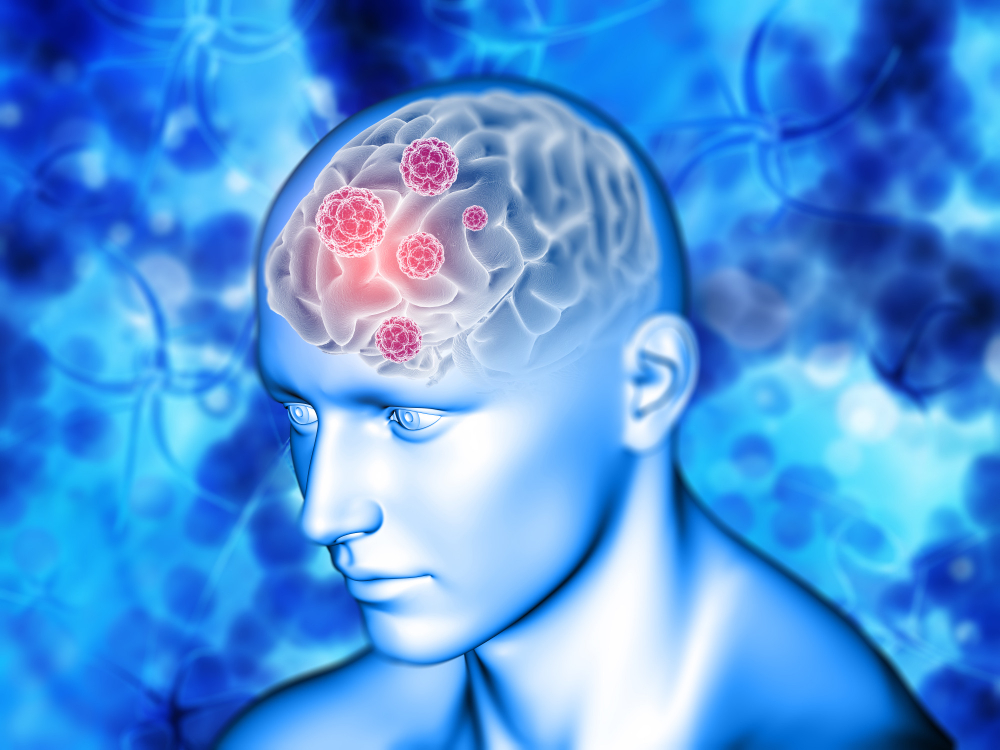
Meningitis is a serious infection that can impact anyone, anywhere. It’s an inflammation of the membranes covering the brain and spinal cord. Sadly, it poses a significant health threat worldwide, affecting many demographics differently. Those with weak immune systems, such as children and the elderly, are particularly vulnerable. Awareness has grown recently, especially in places like India, due to rising case numbers. This highlights the need for understanding what is meningitis, how it spreads, and the measures necessary to protect yourself and your community.
Recognizing Symptoms and the Importance of Early Detection
Spotting the early signs of meningitis can save lives. So, what are these signs? Here are the common meningitis symptoms:
- High fever
- Severe headache
- Stiff neck
- Nausea or vomiting
- Sensitivity to light
These symptoms can vary based on age. For instance, babies might show irritability, poor feeding, or a bulging soft spot on their heads.
Quick detection is crucial. Consider the story of a young boy in New Delhi who felt a persistent headache and fever. Thankfully, his parents recognized these as possible meningitis symptoms and rushed him to the doctor. Early treatment helped prevent major complications, showcasing the importance of acting fast.
Meningitis prevention is a community effort. Awareness campaigns and educational programs teach families how to recognize symptoms early. Public health initiatives often focus on spreading information about meningitis complications, emphasizing the benefits of a timely intervention. Without awareness, many might overlook symptoms, delaying diagnosis and the vital treatment for meningitis.
Different Types of Meningitis and Their Treatments
There are several types of meningitis, each stemming from different causes:
- Viral Meningitis: This is the most common but usually less severe type. It’s triggered by viruses like enteroviruses. Fortunately, many cases resolve on their own with rest and hydration.
- Bacterial Meningitis: More severe than viral meningitis, this type can be life-threatening. Common causes include bacteria like Neisseria meningitidis and Streptococcus pneumoniae. Immediate medical attention is essential, often involving antibiotics as a critical part of the treatment for bacterial meningitis.
- Fungal Meningitis: Rare and generally striking those with weakened immune systems, this type requires antifungal medications.
The methods for meningitis diagnosis have improved over time. Traditionally, spinal taps were used to gather cerebrospinal fluid for testing. Today, advanced lab tests and imaging techniques help pinpoint the exact cause more accurately.
Treatment options depend on the type:
- Viral Meningitis: Plenty of fluids and over-the-counter painkillers.
- Bacterial Meningitis: Strong antibiotics or antivirals.
- Fungal Meningitis: Specialized antifungal treatments.
New treatments and research offer hope. Novel medications and quick, accurate diagnostic tests are emerging, aiming to improve outcomes in those diagnosed with this condition.
Prevention, Complications, and Long-term Management
Preventing meningitis is key. Vaccination plays a huge role in reducing infection rates, particularly in places with high population densities like India. Key vaccines target pathogens that cause bacterial meningitis, such as:
- Meningococcal vaccines
- Pneumococcal vaccines
- Haemophilus influenzae type b (Hib) vaccines
Personal habits matter, too. To aid meningitis prevention, maintaining good hygiene and a balanced lifestyle helps protect against infections. Regular handwashing, covering sneezes or coughs, and avoiding close contact with sick individuals are effective measures.
After infection, some face lasting meningitis complications. These might include hearing or vision loss, cognitive difficulties, or physical impairments. Long-term management often involves rehabilitation services, offering therapy and support to affected individuals.
Community efforts can significantly impact meningitis prevention. Vaccination drives, public education, and government initiatives play essential roles. Ensuring accessible healthcare and vaccination services is vital. The entire community, including families, educators, and health professionals, must work together to protect against meningitis and support those affected, pushing towards a healthier, safer world for all.